For 2012, Chinese New Year is celebrated on Monday, January 23rd. The significance of this holiday and simple activities to help your kids learn about Chinese New Year can be found here, but fun, educational, and simple craft ideas are included below.
Chinese Yo Yo
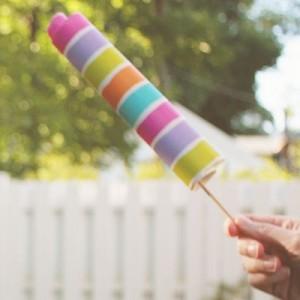 This is one of the easiest crafts to make in order to help your students celebrate Chinese New Year; however, it might be wise to wait until the end of the day to make them, as they are, simply put, sticks that are flung around to achieve the desired "yo yo" effect. Another option would be to have students label their Chinese Yo Yos with their names once finished, then set them aside until the last bell rings, handing them out as kids leave for the day.
That said, this is a really fun and super-easy project that requires very few materials. Here's what you need:
- Dowels (or similar sticks) cut into lengths of about 6" (or as desired), one per student
- Thin paper - think wrapping paper, cut into long strips that are half as wide as the length of each dowel (for example, if the length of the dowel is 6", the strip of paper should be 3" wide), while the strip of paper should be a few feet long
- Glue or tape
Hand out materials to each student with instructions to glue or tape one end of the paper strip to one end of the dowel, then roll the paper tightly around the dowel. If using glue, set it aside to allow the glue to dry. To use the Chinese YoYo, hold the dowel and flick your wrist in an upward motion, which causes the paper to yo-yo out and back in.
Chinese Lanterns
 Chinese lanterns are simple to make to celebrate Chinese New Year in your classroom. Gather the following materials for this project:
- Construction paper (8 and 1/2" x 11" for smaller lanterns)
- Glue or tape
- Stapler
- Ruler
- Pencil
- embellishments, like markers, paints, stamps, ink, sequins, and feathers
Start out with a piece of construction paper per student, and instruct them to cut one inch from the short end of the paper (if you have younger children, you might have a volunteer prep this step ahead of time) - this piece will serve as the lantern's handle.
Give students time to decorate their lanterns, then model the following instructions for your class:
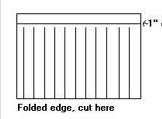 Fold the piece of construction paper in half lengthwise, then place on the desk in front of you with the folded edge down
- Measure an inch from the top of the paper, then draw a line across the length of the paper - this will show everyone where to stop cutting
- Measure lines one inch apart from the folded edge up to the line at the top
- Cut along the lines
- Unfold the paper and bring the long edges together so that the cylindrical lantern shape is made. Secure the edges with tape or glue.
- Secure the edges of the handle along the top of the lantern with tape or staples
Lucky Red Envelopes
[caption id="attachment_8353" align="alignright" width="300" caption="Chinese Symbol for Luck"]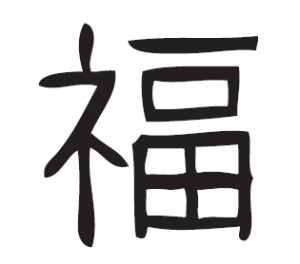 [/caption]
Red envelopes are a common gift for Chinese New Year, containing money for the recipient and decorated with symbols of luck. For these Red Envelopes, you'll need:
- red construction paper cut into pieces measuring about 6" by 8"
- glue or tape
- gold paint or markers
- green paper if desired
To make the envelope, fold one of the shorter sides towards the middle, then fold the other shorter side over the top and secure with tape or glue. Choose one of the open sides of the rectangle and fold up the end, securing with tape or glue.
Display the Chinese symbol for luck (pictured on the right), and have students decorate the outside of the red envelope with the symbol using gold markers or paint.
If desired, have students make fake money using green construction paper to place inside of their envelopes.
 Chinese New Year is a great excuse to practice important skills while celebrating an important part of Chinese culture.
When is Chinese New Year?
Chinese New Year is based on the Chinese Lunar Calendar, which is 2,640 years older than our calendar, and can begin on any date between Janaury 21st and February 18th each year. The date of Chinese New Year is determined by the date of the New Moon in Aquarius.
For 2012, Chinese New Year occurs on Monday, January 23rd and is the year of the Dragon.
Which Animal are You?
Each year is named for a specific animal, and that the animal ruling the particular year of your birth will effect your life and personality. According to Chinese folklore, each person has the personality characteristics of the animal ruling the year they were born.
Tiger
1914, 1926, 1938, 1950, 1962, 1974, 1986, 1998, 2010
Personality characteristics of those born under the year of the Tiger include bravery, loyalty, intelligence, stubborn and competent. Tigers can tend to get in a lot of trouble, but they make great friends.
Rabbit
1915, 1927, 1939, 1951, 1963, 1975, 1987, 1999, 2011
Personality characteristics of those born under the year of the Rabbit include luck, independence, happiness, intelligence, and a desire to know how things work.
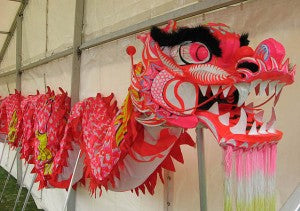 Dragon
1916, 1928, 1940, 1952, 1964, 1976, 1988, 2000, 2012
Personality characteristics of those born under the year of the Dragon include honesty, stubborness, loyalty and plenty of energy.
Snake
1917, 1929, 1941, 1953, 1965, 1977, 1989, 2001, 2013
Personality characteristics of those born under the year of the Snake include focus and wisdom, with a trust in their own judgement. Snake people like to help others and strive to do their best.
Horse
1918, 1930, 1942, 1954, 1966, 1978, 1990, 2002, 2014
Personality characteristics of those born under the year of the Horse include shyness, quick-wittedness, cheerfulness and popularity. For some reason, horse people have a great deal of trouble believing they are loved, when in fact, horse people are easy to like and love.
Ram (Black or Gray Sheep)
1919, 1931, 1943, 1955, 1967, 1979, 1991, 2003, 2015
Personality characteristics of those born under the year of the Sheep include wisdom, gentleness, elegance and compassion. They can be bossy because they like to see things done correctly.
Monkey
1920, 1932, 1944, 1956, 1968, 1980, 1992, 2004, 2016
Personality characteristics of those born under the year of the Monkey include a tendency to chatter, but they are also funny, nosey, clever, witty, and successful.
Rooster
1921, 1933, 1945, 1957, 1969, 1981, 1993, 2005, 2017
Personality characteristics of those born under the year of the Rooster include a tendency to rise early, be alert, think deeply and speak well. They like to stay close to home.
Dog
1922, 1934, 1946, 1958, 1970, 1982, 1994, 2006, 2018
Those born under the year of the Dog tend to be loyal friends, quick to learn, eager to please, and always try to do their best. They prefer to be with people they know and like.
Pig
1923, 1935, 1947, 1959, 1971, 1983, 1995, 2007, 2019
Personality characteristics of those born under the year of the Pig include a tendency to be late and forgetful, but they are also intelligent, sincere, brave, popular, and treat all people with great kindness.
Rat
1924, 1936, 1948, 1960, 1972, 1984, 1996, 2008, 2020
Personality characteristics of those born under the year of the Rat include cheerfulness and kindness. Rat people love to gossip, which can cost them many friendships if they are not careful.
Ox
1913, 1925, 1937, 1949, 1961, 1973, 1985, 1997, 2009, 2021
Personality characteristics of those born under the year of the Ox include a tendency to be easy going and self-assured, which helps help them to be successful. Ox people have thoughtful responses. Ox people love deeply and share their strength with those they love.
Printable Chinese Zodiac Charts
Begin exploring Chinese New Year with these printable Chinese Zodiac charts. Print out the animals that apply to the kids in your classroom based on the years they were born, or have them explore the entire zodiac chart by photocopying a booklet for each child.
Chinese New Year Recommended Reading
The following list of books can help you and your students explore Chinese New Year together. Before reading together and independently, fill out a K-W-L chart with your class, to be completed once you have more information.
To add more depth to your reading, fill out a process grid on chart paper about Chinese New Year that includes information about food, music, stories, decorations, gifts and traditions. Then use this information to compare and contrast Chinese New Year with our traditional New Year celebrations in America.
- My China Travel Journal by Laura Barta
- Celebrating Chinese New Year by Diane Hoyt-Goldsmith
- Chinese New Year for Kids by Cindy Roberts
- Dim Sum for Everyone by Grace Lin
- Fortune Cookie Fortunes by Grace Lin
- Grandfather Tang's Story by Ann Tompert
- Happy, Happy Chinese New Year by Demi Hitz
- Lanterns and Firecrackers - A Chinese New Year Story (Festival Time) by Jonny Zucker
- Lion Dancer by Kate Waters
- Moonbeams, Dumplings, and Dragon Boats by Nina Simonds, Leslie Swartz, and The Children's Museum, Boston
- Sam and the Lucky Money by Karen Chinn
- The Dancing Dragon by Marcia K. Vaughan
- The Five Chinese Brothers by Claire Huchet Bishop
- This Next New Year by Janet S. Wong
- Tikki Tikki Tembo by Arlene Mosel
These reading and zodiac activities are really simple ways to begin celebrating Chinese New Year in the classroom. These easy activities require a little planning, but offer an infusion of colorful culture and fun while allowing your students time to review and practice a variety of reading skills.

 [/caption]
